
 By
By 
Sexually transmitted diseases (STDs) are a critical public health issue, yet many misconceptions surround the need for regular screenings. Understanding the realities of STD check ups is essential for maintaining sexual health and preventing the spread of infections. In this article, we debunk common myths and clarify the facts about STD check ups.
Myth 1: If I Don’t Have Symptoms, I Don’t Need an STD Check Up
One of the most prevalent myths is that asymptomatic individuals don’t need to be tested for STDs. This misconception can lead to undiagnosed and untreated infections.
Fact
Many STDs are asymptomatic, meaning they don’t show noticeable symptoms. Diseases like chlamydia and gonorrhea often go unnoticed, yet they can cause serious health complications if left untreated. Regular STD check ups are crucial for early detection and treatment.
List of Asymptomatic STDs
- Chlamydia
- Gonorrhea
- Human Papillomavirus (HPV)
- Herpes (often mild or no symptoms)
Myth 2: I Only Need to Get Tested if I Have Multiple Partners
There’s a common belief that STD check ups are only necessary for those with multiple sexual partners. This myth can lead to a false sense of security among monogamous couples or those with fewer partners.
Fact
STDs can affect anyone who is sexually active, regardless of the number of partners. Even in a monogamous relationship, if one partner has had previous partners, the risk of STD transmission exists. Routine screenings are recommended for all sexually active individuals, regardless of their sexual history.
Key Points
- Previous partners of either individual can carry infections.
- Regular testing is a responsible practice for maintaining sexual health.
Myth 3: STD Testing is Invasive and Painful
The fear of discomfort often deters people from getting an STD check up. However, advancements in medical technology have made testing more comfortable and accessible.
Fact
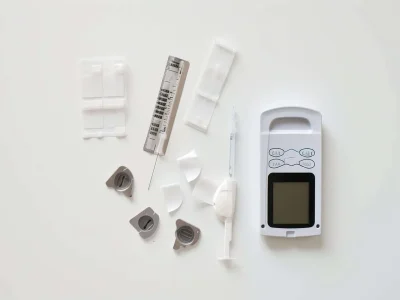
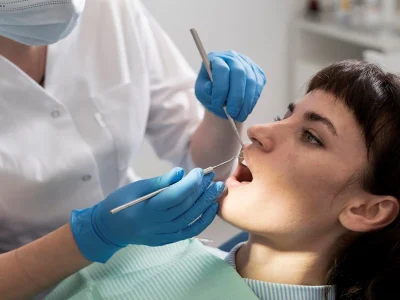
Modern STD testing methods are minimally invasive and typically painless. Common procedures include urine tests, blood tests, and swabs. These tests are quick and straightforward, with most causing little to no discomfort.
Types of STD Tests
- Urine Tests:For chlamydia and gonorrhea.
- Blood Tests:For HIV, syphilis, and hepatitis.
- Swabs:For detecting infections in the genital, anal, or oral regions.
Myth 4: If I’m in a Same-Sex Relationship, I Don’t Need an STD Check Up
There’s a misconception that same-sex couples are at a lower risk of STDs. This myth can prevent individuals from seeking necessary medical advice and testing.
Fact
STDs do not discriminate based on sexual orientation. All sexually active individuals, regardless of gender or sexual orientation, should consider regular STD check ups. Risk factors depend on sexual practices, not sexual orientation.
Considerations for Same-Sex Couples
- Oral, anal, and genital contact can all transmit STDs.
- Regular testing helps ensure early detection and treatment.
Myth 5: I Can Tell If My Partner Has an STD
Many people believe they can identify STDs based on physical appearance or symptoms in their partners, which can lead to a false sense of security.
Fact
It’s impossible to know if someone has an STD just by looking at them or their behavior. Many STDs do not show visible signs, and some individuals may not be aware they are infected. The only way to be certain of your STD status is through regular testing.
Reasons to Get Tested
- STDs can be asymptomatic.
- Both partners in a relationship should get tested to ensure safety.
Conclusion
Dispelling myths about STD check ups is crucial for promoting sexual health awareness. Understanding that STDs can be asymptomatic, that anyone can be at risk regardless of the number of partners or sexual orientation, and that testing is neither painful nor invasive can encourage more individuals to get tested regularly.
Regular STD check ups are an essential part of maintaining overall health and preventing the spread of infections. By getting informed and tested, individuals can take proactive steps to protect themselves and their partners.





Comments