
 By
By 
Returning to work after childbirth is a major shift, physically, emotionally, and logistically. Maternity leave policies often focus on the first few weeks or months after delivery, but many health-related needs continue long after someone is back at their desk. Recovery rarely follows a neat timeline, and workplace expectations do not always match the body’s pace of healing.
Supporting working mothers starts with a wider view of postpartum health, one that includes lactation needs, physical recovery, hormonal shifts, and metabolic changes. When workplace practices and healthcare support are easier to access, the transition back to work becomes more sustainable for both employees and organizations.
The Postpartum Period Lasts Longer than Most People Think
Postpartum recovery is often treated like a short chapter, but many changes extend well beyond maternity leave. Musculoskeletal strain, pelvic floor shifts, sleep deprivation, and hormonal fluctuations can affect energy, focus, and stress tolerance for months, sometimes longer. Returning to work during this adjustment can feel harder when recovery needs are minimized or ignored.
At the same time, pressure to “bounce back” can keep women from asking for help. Ongoing fatigue, discomfort, or mood changes may get brushed off as just part of motherhood, even when extra support could make a real difference. A more realistic understanding of postpartum health encourages earlier care and healthier expectations.
Workplaces that treat postpartum recovery as an ongoing process, not a single milestone, create conditions where employees can stay engaged without sacrificing their health.
Lactation Access Depends on Real Infrastructure, Not Good Intentions
For many mothers, lactation is one of the first challenges after returning to work. Pumping requires privacy, time, sanitation, and scheduling flexibility. When any of those pieces are missing, it can lead to discomfort, supply disruption, stress, and a harder workday overall.
Corporate Lactation Services notes that structured workplace lactation programs can help organizations build compliant, functional setups with clear policies, practical scheduling guidance, and education for managers and employees. When lactation needs are treated as a normal part of workplace life, rather than an exception, mothers are more likely to maintain feeding routines and stay focused at work. Better access can also reduce common health issues linked to missed or delayed pumping.
Physical Recovery Still Shapes the Workday
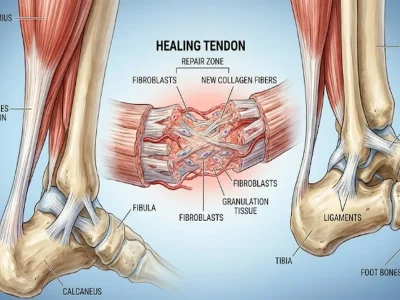
Lactation is only one part of the picture. Physical recovery from pregnancy and delivery can affect how someone experiences a full workday. Long periods of sitting or standing, commuting, and repetitive movement may aggravate postpartum discomfort, especially in the back, hips, and pelvic region. Add broken sleep, and it is easy to see how endurance and concentration can take a hit.
A smoother return often looks like gradual reintegration, schedule flexibility, and basic ergonomic support. Things like more movement breaks, a better chair setup, lighter lifting expectations, or a phased return to full workload can make a noticeable difference. These are not special favors. They are health-conscious adjustments that help employees recover while staying productive.
When workplaces acknowledge recovery as part of wellness, they reduce the risk of injury, burnout, and early workforce exit during a demanding life stage.
Reproductive Health Planning Connects to Career Longevity
Workplace conversations around women’s health can get stuck on pregnancy and the early months of parenting. But reproductive health planning is broader, and often spans decades. Career development, family planning, and fertility health are increasingly intertwined, especially for women balancing professional growth with personal timelines.
Fertility specialists, including those at Perch Fertility, often emphasize the value of early, clear information when people are considering fertility preservation options like egg freezing. For some, preservation is less about “delaying” parenthood and more about keeping choices open as careers, relationships, health, and life circumstances evolve.
When workplaces recognize reproductive health as part of overall well-being, women are better positioned to plan proactively rather than under pressure. That supports confidence, autonomy, and long-term stability across both personal and professional goals.
The Emotional Load is Real, and it Affects Performance
The return to work can be emotionally demanding in ways that are easy to miss. New mothers may juggle guilt, divided attention, and nonstop responsibility at home and at work. Mental bandwidth gets stretched when childcare logistics, feeding schedules, and recovery needs run alongside deadlines and meetings.
Stress can also compound sleep disruption and contribute to anxiety or low mood. If support is not available, emotional strain can build quietly and start affecting engagement and job satisfaction.
Supportive policies, realistic workload expectations, and access to mental health resources can help mothers navigate this period with more stability and confidence.
Integrative Support for Stress and Hormonal Transitions
Stress management plays an important role in postpartum health, especially when physical recovery and work demands are happening at the same time. For some people, integrative care can be a helpful complement to medical support and lifestyle changes.
Practitioners associated with California Mobile Acupuncture note that in-home mobile acupuncture is sometimes used to support relaxation and stress reduction during postpartum recovery. Getting care at home may also remove practical barriers like travel and scheduling. It is not a substitute for medical treatment, but it can be one option that helps people manage tension, fatigue, or overwhelm during a high-demand season of life.
Metabolic Changes can Linger, and Support Should Be Sustainable
Pregnancy and postpartum recovery can influence metabolism long after childbirth. Hormonal shifts, changes in insulin sensitivity, and disrupted routines may contribute to weight retention and energy fluctuations. Over time, those changes can affect mood, cardiovascular health, and overall well-being.
Medical weight loss doctors at PhySlim highlight that postpartum metabolic and weight management is often most effective when it focuses on restoring balance, not rapid weight loss. Medically guided support can help address underlying factors while keeping recovery sustainable.
When metabolic health is treated as part of postpartum care, women are less likely to blame themselves for changes that have real biological drivers.
Employers Play a Major Role in Long-term Women’s Health
Employers influence health outcomes through policies, culture, and everyday expectations. Flexible scheduling, predictable pumping time, reasonable workload planning, and benefits that actually support postpartum needs can reduce strain during the return-to-work transition.
Organizations that invest in health-forward practices often see lower turnover, stronger morale, and better long-term engagement. Supporting mothers beyond maternity leave is not only a wellness effort, but it is also a smart workforce strategy.
Conclusion
The postpartum journey does not end when maternity leave does. Lactation needs, physical recovery, emotional resilience, and metabolic health continue evolving as women reenter the workplace and move through early parenthood.
When employers treat postpartum health as ongoing and make support easier to access, working mothers are more likely to feel steady, capable, and valued. Not just in the early months, but throughout their careers.









Comments