
 By
By 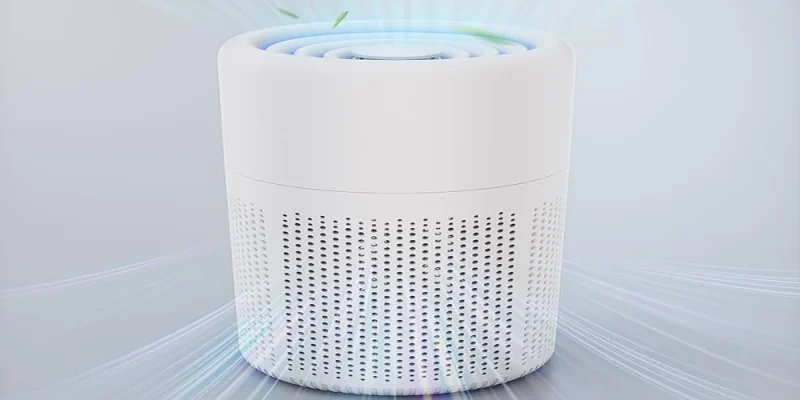
Indoor odors affect daily comfort. They also influence air quality. Cooking smells often linger indoors. Smoke residue creates deeper challenges. Some odors fade naturally over time. However, many odors stay trapped. Soft surfaces absorb unwanted particles. Air circulation also affects odor buildup. Therefore, proper removal methods matter greatly. Modern solutions target odor sources directly. They also improve indoor freshness. Understanding these methods helps achieve cleaner living spaces.
Understanding How Odors Develop Indoors
Kitchen aromas spread very quickly. Fresh cooking creates pleasant scents. However, lingering smells become troublesome. Oils attach to nearby surfaces. Steam carries odor particles farther. Consequently, cabinets and fabrics absorb residues. Strong spices often remain longer. Smoke creates even greater concerns. Tiny particles settle everywhere indoors. They penetrate porous household materials.
The Science Behind Smoke Residue Removal
Smoke residue behaves differently indoors. It contains microscopic particles. These particles cling tightly. Walls collect residue gradually. Upholstery also traps contaminants deeply. Furthermore, smoke compounds enter ventilation systems. Standard cleaning removes surface buildup. Yet hidden contamination often remains. Odor molecules continue circulating indoors. Therefore, advanced filtration becomes valuable. Specialized cleaning methods help significantly. Airdog technologies work best alongside proper cleaning.
Air Filtration and Modern Odor Control
Air movement affects odor persistence. Poor circulation worsens conditions. Stagnant air holds contaminants longer. Therefore, filtration systems play important roles. High-performance filters capture airborne particles. Some systems target gases effectively. Others focus on particulate removal. Modern technologies combine several approaches. air purifiers for odors and smells support cleaner indoor environments. They reduce unwanted airborne compounds. Moreover, continuous operation improves consistency. Many homeowners choose advanced solutions. Products from Airdog offer filtration technologies. These systems support ongoing odor management. Indoor comfort improves noticeably over time.
Creating a Comprehensive Odor Management Plan
Successful odor control needs planning. One method rarely solves everything. Source removal remains essential first. Next, affected surfaces need cleaning. Then filtration supports cleaner air. Consequently, odors decline more effectively. Regular inspections identify recurring issues. Ventilation also improves performance. Fresh air reduces contaminant concentration. Homeowners benefit from consistent practices. Businesses follow similar principles. Advanced systems from Airdog assist ongoing management. However, maintenance remains equally important.
FAQs
What Are the Causes of The Repetitive Kitchen Smells?
Food particles and cooking oils usually settle on surfaces and are preserved.
Why Should Smoke Residue Be Hard to Eliminate?
The smoke particles infiltrate the fabrics, walls, and ventilation systems to a great extent.
Indoor Odors: Does Filtration Reduce Them?
Yes, efficient filtration will trap particles in the air and most odor compounds.
Are Surfaces Required to Be Cleaned When Odors Are Removed?
Yes, cleaning of the surface gets rid of residues that are trapped and keep emitting odors.
What Can Be Done to Have Long-Term Odor Control?
Source removal, cleaning, filtration, and adequate ventilation are parts of this combination to ensure permanency in freshness.










Comments