
 By
By 
Introduction
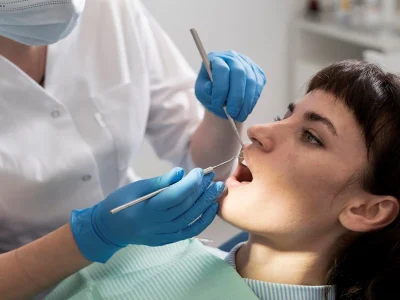
Embarking on the journey to dental implants in Melbourne marks a significant step towards reclaiming confidence and functionality in your smile. Unlike traditional dentures or bridges, dental implants in melbourne provide a permanent and natural-looking solution that can last a lifetime with proper care. In this guide, we’ll navigate through the necessary changes, ensuring a seamless transition post-implantation.
The Importance of Understanding Post-Implant Lifestyle Adjustments
Making informed lifestyle adjustments after receiving dental implants is essential for optimal recovery and long-term success. These changes can help prevent complications, ensure proper healing, and enhance the overall effectiveness of the implants.
Types of Dental Implants
Endosteal Implants
Endosteal implants are the most common type of dental implants. They are placed directly into the jawbone and serve as a sturdy base for individual teeth, bridges, or dentures.
Subperiosteal Implants
Subperiosteal implants are placed under the gum but above the jawbone. They are often used for patients who do not have sufficient bone height for endosteal implants.
Symptoms and Signs After Dental Implant Surgery
Normal Post-Operative Symptoms
- Swelling: Swelling around the implant site is normal and typically subsides within a few days.
- Bleeding: Minor bleeding is expected during the first 24-48 hours.
- Discomfort: Mild to moderate discomfort can occur and is usually manageable with prescribed medications.
Symptoms to Watch For
- Severe Pain: Intense pain that does not subside with medication may indicate complications.
- Infection Signs: Persistent swelling, redness, and discharge from the implant site can be signs of infection.
- Implant Mobility: If the implant feels loose, it is essential to contact your dentist immediately.
Causes and Risk Factors for Complications
Biological Factors
- Bone Density: Low bone density can affect the stability of the implant.
- Gum Health: Pre-existing gum disease can complicate the healing process.
Lifestyle Factors
- Smoking: Smoking can significantly hinder the healing process and increase the risk of implant failure.
- Poor Oral Hygiene: Inadequate oral care can lead to infections and implant complications.
Diagnosis and Tests for Monitoring Implant Health
Regular Dental Check-Ups
Regular check-ups are crucial for monitoring the health of your implants and ensuring early detection of potential issues.
Imaging Tests
- X-Rays: X-rays help assess the placement and integration of the implant with the jawbone.
- CT Scans: CT scans provide detailed images of the jawbone and implant site, aiding in accurate diagnosis and treatment planning.
Treatment Options for Dental Implant Issues
Medical Treatments
- Antibiotics: Prescribed to manage infections around the implant site.
- Pain Management: Medications to alleviate discomfort during the healing process.
Surgical Interventions
- Bone Grafts: Used to augment bone density for better implant support.
- Implant Removal: In severe cases, removing a failed implant may be necessary.
Preventive Measures for Dental Implant Success
Maintaining Oral Hygiene
- Brushing: Use a soft-bristle toothbrush and fluoride toothpaste to clean your teeth twice daily.
- Flossing: Floss daily to remove plaque and food particles between teeth and implants.
Dietary Adjustments
- Soft Foods: Consume soft foods during the initial healing phase to avoid putting pressure on the implant site.
- Hydration: Stay hydrated to promote overall oral health and healing.
Avoiding Harmful Habits
- Smoking Cessation: Quit smoking to enhance healing and implant success rates.
- Alcohol Moderation: Limit alcohol intake as it can interfere with the healing process.
FAQs (Frequently Asked Questions):
Q1: Can I resume normal eating habits immediately after dental implant surgery?
While you can gradually reintroduce regular foods, initially opt for softer, nutrient-rich options to promote healing.
Q2: How soon can I return to work after getting dental implants in Melbourne?
The timeframe varies depending on individual healing and the nature of your occupation. Consult with your dentist for personalized guidance.
Q3: Are there any restrictions on dental implant patients in Melbourne?
Certain lifestyle factors, such as smoking and excessive alcohol consumption, may impact implant success. Follow your dentist’s recommendations for optimal outcomes.
Q4: Is there a risk of dental implant failure in Melbourne?
While rare, dental implant failure can occur due to various factors, including poor oral hygiene, smoking, and underlying health conditions. Adhering to post-operative instructions minimizes these risks.
Q5: Can I resume vigorous exercise after dental implant surgery in Melbourne?
It’s advisable to refrain from strenuous physical activity initially and gradually resume exercise as recommended by your dental provider.
Q6: How long does it take to adjust to dental implants in Melbourne?
The adjustment period varies for each individual. With proper care and patience, most patients adapt to their new dental implants within a few weeks to months.
Conclusion
Navigating lifestyle adjustments after receiving dental implants in Melbourne is essential for ensuring optimal outcomes and long-term oral health. By incorporating dietary modifications, prioritizing oral hygiene, and embracing patience, you can embark on this transformative journey with confidence and ease.








Comments