
 By
By 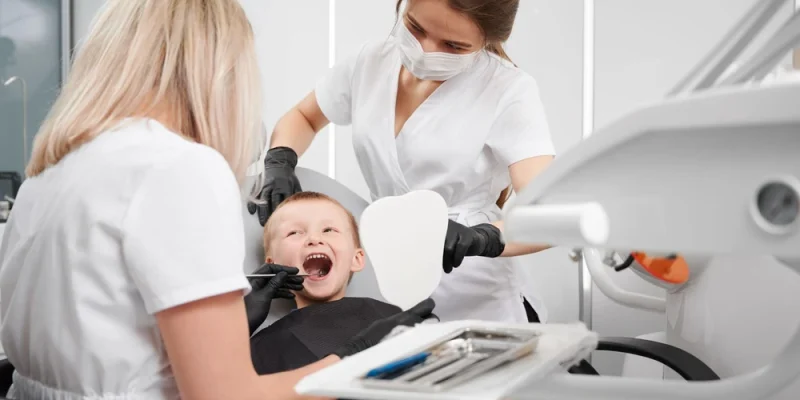
Key Highlights
- Centralised dental records facilitate early detection of orthodontic issues.
- Long-term relationships with a dentist in Novena reduce dental anxiety for young patients.
- Integrated care plans ensure a smooth transition from general dentistry to specialised alignment treatments.
- Unified scheduling and billing processes streamline administrative tasks for busy families.
Introduction
Managing the oral health of a growing household requires more than just reactive appointments for occasional toothaches. It involves a strategic approach to long-term care, particularly when considering the developmental changes in a child’s mouth. For many parents, the prospect of orthodontic treatment, often coupled with the complexities of navigating dental insurance in Singapore, can seem like a complex, separate track from regular check-ups. However, by subscribing to a single family dentist, parents can establish a cohesive oral health matrix that simplifies this process. Having a consistent family dentist ensures that every stage of a child’s dental development is monitored by a professional who is already familiar with their clinical history.
The Role of a Family Dentist in Orthodontic Screening
A primary benefit of maintaining a relationship with a dentist in Novena is the continuity of observation. Orthodontic issues such as overcrowding, bite misalignments, or jaw discrepancies do not appear overnight. They often manifest gradually as primary teeth are lost and permanent teeth emerge. When a child visits the same clinic regularly, the practitioner can track these changes against previous records.
This longitudinal view is essential for determining the optimal timing for intervention. Early screening allows for interceptive orthodontics, which can sometimes reduce the complexity of future treatments by guiding the growth of the jaw or the eruption of permanent teeth.
Streamlining Transitions and Information Sharing
One of the logistical hurdles in healthcare is the transfer of information between different providers. When a household utilises a family dentist, the need for redundant paperwork and repetitive explanations is significantly reduced. The clinic serves as a central hub for all dental data, including radiographs, treatment notes, and historical progress.
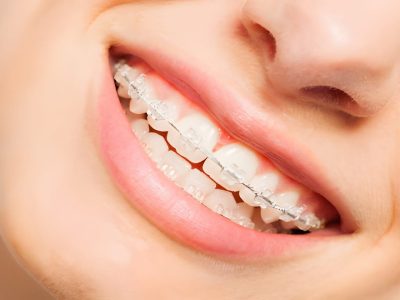
If a child requires braces or aligners, the family dentist coordinates the care plan internally or with trusted colleagues. This integration ensures that the orthodontic track is not an isolated event but a well-documented phase of the child’s overall health journey. This level of organisation provides parents with a clearer understanding of the necessary steps and timelines involved.
Building Familiarity and Reducing Anxiety
Orthodontic procedures often involve multiple visits and adjustments over several years. For a child, this can be a daunting experience. Establishing a bond with a family dentist at an early age helps build a foundation of trust. Familiarity with the clinical environment and the dental team can alleviate the apprehension often associated with more intensive dental work.
When the child views the clinic as a familiar space, they are more likely to be compliant with instructions regarding oral hygiene and appliance care, such as wearing a bruxism night guard. This psychological comfort is a vital component of the oral health matrix, contributing to more successful treatment outcomes and a positive attitude towards lifelong dental maintenance.
The Efficiency of Integrated Household Scheduling
Beyond clinical continuity, there is a tangible efficiency in managing family healthcare under one roof. When a household commits to a single practice, administrative tasks such as scheduling appointments and managing dental insurance in Singapore become significantly more predictable. A family dentist often gains a deeper understanding of the household rhythm, making it easier to arrange consecutive appointments for siblings. This logistical ease is particularly beneficial during the lengthy duration of orthodontic treatment, which requires periodic monitoring and adjustments.
By relying on a professional dentist in Novena, families avoid the fragmentation that occurs when distributing care across various specialists. This unified approach respects the time and resources of busy parents, transforming dental maintenance into a manageable routine rather than a complex logistical challenge.
Conclusion
The journey to a healthy, aligned smile is most efficient when it is part of a broader, integrated care strategy. By choosing a dedicated family dentist, households gain a partner in health who understands the specific needs of each family member. This streamlined approach not only facilitates early orthodontic detection and seamless record-keeping but also fosters a supportive environment for the child. Ultimately, a consolidated oral health matrix provides the clarity and consistency required to navigate the orthodontic track with confidence.
To learn more about how our team can support your family’s dental journey, reach out to Happy Teeth Family Dental Clinic. Our practitioners are dedicated to providing comprehensive care for patients of all ages in a professional and welcoming environment.







Comments