
 By
By 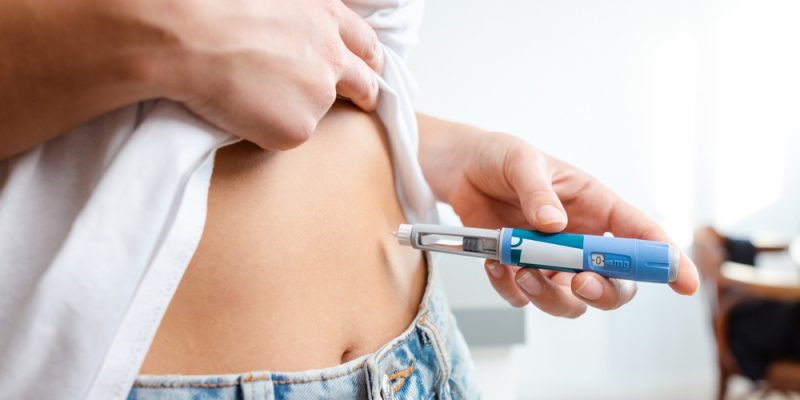
In the ever-evolving world of health and wellness, new solutions continue to emerge for people looking to manage their weight more effectively. Among the most talked-about options today are weight loss injections, which offer a medically guided approach to reducing body weight. Unlike traditional dieting methods, these treatments focus on the biological processes that influence hunger, metabolism, and energy balance.
Understanding Weight Loss Injections
Weight loss injections are prescription medications administered through a small injection, usually once a week or as directed by a healthcare provider. They are designed to help individuals lose weight by regulating appetite and improving how the body processes food.
Most weight loss injections contain compounds that mimic natural hormones involved in hunger control. These hormones send signals to the brain that promote a feeling of fullness, helping individuals reduce their calorie intake without feeling deprived.
This approach targets the underlying mechanisms of weight gain rather than relying solely on willpower or restrictive eating.
How Do They Work in the Body?
The primary function of these injections is to influence appetite regulation. They act on specific receptors in the brain that control hunger and satiety.
When using weight loss injections, individuals often experience reduced cravings and feel satisfied with smaller portions. Additionally, these medications can slow down gastric emptying, meaning food stays in the stomach longer, further enhancing the feeling of fullness.
Some formulations may also help regulate blood sugar levels, which can prevent sudden spikes and crashes that often lead to overeating.
Who Are They For?
Weight loss injections are typically recommended for individuals who are overweight or obese, especially those who have struggled to lose weight through diet and exercise alone.
Healthcare providers may prescribe these treatments to patients with a body mass index (BMI) above a certain threshold or those with weight-related health conditions such as type 2 diabetes or high blood pressure.
It’s important to note that weight loss injections are not intended for cosmetic weight loss or quick fixes. They are part of a broader medical strategy to improve overall health.
Benefits Beyond Weight Loss
While the primary goal is to reduce body weight, these treatments can offer additional health benefits. Many individuals experience improvements in metabolic health, including better blood sugar control and reduced risk of cardiovascular disease.
Using weight loss injections as part of a structured program can also lead to increased energy levels and improved mobility. As weight decreases, everyday activities often become easier and less physically demanding.
These benefits highlight the role of medical weight management in supporting long-term health outcomes.
Possible Side Effects and Considerations
Like any medical treatment, weight loss injections may come with side effects. Common ones include nausea, mild digestive discomfort, or fatigue, particularly during the initial stages.
Most side effects are temporary and tend to subside as the body adjusts to the medication. However, it’s essential to maintain regular communication with a healthcare provider throughout the treatment process.
Before starting weight loss injections, individuals should discuss their medical history, current medications, and any concerns to ensure the treatment is appropriate and safe.
The Importance of Lifestyle Changes
Although these injections can be highly effective, they are not a standalone solution. Sustainable weight loss requires a combination of healthy eating habits, regular physical activity, and behavioral changes.
Weight loss injections work best when integrated into a comprehensive lifestyle plan. They help control appetite, but long-term success depends on consistent habits and mindful choices. Understanding this balance is key to achieving lasting results and preventing weight regain.
Are They Worth Considering?
For many individuals, especially those facing challenges with traditional weight loss methods, medical treatments offer a new sense of hope. Weight loss injections provide a science-backed option that addresses the physiological aspects of weight management.
However, they are not suitable for everyone. A thorough evaluation by a qualified healthcare provider is necessary to determine if this approach aligns with your health goals.
Ultimately, the decision to use weight loss injections should be based on informed guidance, realistic expectations, and a commitment to overall well-being.
A Modern Approach to Weight Management
The rise of weight loss injections reflects a broader shift toward personalized and medically supported health solutions. As research continues to advance, these treatments are becoming more refined and accessible.
They represent a move away from one-size-fits-all approaches and toward strategies that consider individual biology and health needs. In the end, weight management is not just about appearance-it’s about improving quality of life, reducing health risks, and building sustainable habits for the future.








Comments