
 By
By 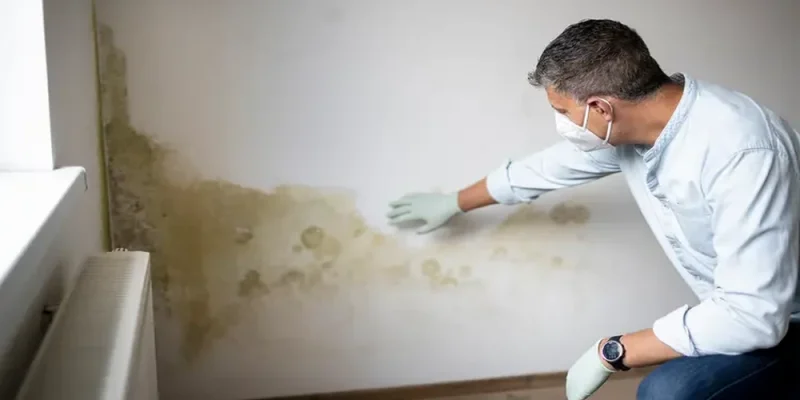
When people discover that mold may be contributing to their symptoms, they often want a clear plan they can begin immediately. Online searches can produce strict protocols built around a particular binder, antifungal, diet, sauna routine, or supplement combination.
The problem is that mold-related illness is not identical from one person to another. Two people can share the same building and report very different symptoms. Even family members with similar exposure histories may have different medical conditions, nutritional needs, medication risks, and treatment tolerance.
That is why mold detoxification should not begin with a universal shopping list. It should begin with the person, the possible source of exposure, and a careful evaluation of the factors affecting recovery. Sanctuary’s mold education explains in more detail why the exposure matters when considering a person’s response.
Mold Exposure Can Take Different Forms
Mold can grow where moisture allows it to thrive, including areas affected by leaks, flooding, condensation, high humidity, or poor ventilation. Exposure may occur at home, work, school, or another frequently visited building.
People can be affected in different ways. Some experience allergic symptoms. Others may develop irritation or respiratory concerns. Sanctuary Functional Medicine also evaluates patients with complex symptoms in whom mold toxicity and biotoxin exposure may be one piece of a broader health picture.
Symptoms commonly associated with mold exposure can overlap with many other conditions. Fatigue, headaches, brain fog, sinus concerns, digestive changes, sleep problems, aches, and mood changes are not unique to mold. Assuming that every unexplained symptom comes from one exposure can delay the discovery of another important cause.
The Source Must Be Addressed
A supplement cannot stop water from entering a building. A binder cannot repair damaged materials. A detoxification plan cannot succeed as intended if a person continues to spend time in an environment that is contributing to the problem.
The first steps may include investigating moisture, identifying visible or hidden damage, and seeking qualified environmental guidance when needed. The correct response depends on the building and the extent of the issue.
Medical care and environmental remediation are not interchangeable. A healthcare provider evaluates the person, while an appropriate building professional evaluates the structure. Both sides may need attention.
Different Mold Toxins Behave Differently
The term “mycotoxin” refers to compounds produced by certain molds. These compounds do not all have the same structure or effects. A treatment that interacts with one may not behave the same way with another.
Exposure can also involve more than mold toxins. Damp buildings may contain spores, fragments, bacteria, dust, cleaning chemicals, and other irritants. Outside the building, infections, allergies, medication effects, metabolic concerns, nutritional deficiencies, and chronic stress may influence the same symptoms.
A useful plan should be able to look beyond one explanation while still taking a possible mold exposure seriously.
Genetics and Health History Can Change the Response
People differ in their immune responses, inflammatory signaling, metabolism, and ability to process certain compounds. Sanctuary also discusses how genetics can influence responses to mold. Age, pregnancy, hormonal health, gastrointestinal function, kidney and liver health, and previous medical conditions can all influence how a person feels and which treatments are safe.
The medication list matters as well. A binder may interfere with a prescription drug. An herb may affect bleeding, blood sugar, blood pressure, or liver enzymes. A product that was tolerated by one family member may be unsuitable for another.
This is one reason an experienced provider reviews the whole history rather than handing every patient the same protocol.
Binders Are Not Interchangeable
Toxin binders are substances intended to hold certain compounds in the digestive tract so they can leave through the stool. Options may include activated charcoal, mineral clays, soluble fibers, humic substances, chitosan, silica-based ingredients, and prescription bile acid sequestrants.
Each has different properties. One may be more constipating. Another may be easier to tolerate but less suitable for the suspected compound. Combination formulas may offer several ingredients, but they can also make side effects harder to trace.
The best option depends on the person’s exposure, bowel function, medications, nutritional status, and response. More binder is not automatically better.
Normal Bowel Function Is Part of Detoxification
Many binder plans rely on regular stool to carry bound substances out of the body. If a person is already constipated, starting a strong binder may slow that exit route further.
Hydration, fiber intake, movement, magnesium status, medication effects, thyroid health, and gastrointestinal conditions can all influence bowel function. These issues may need attention before or during binder use.
New symptoms should not automatically be celebrated as proof that detoxification is working. Headaches, fatigue, nausea, abdominal pain, or worsening brain fog could come from constipation, dehydration, an excessive dose, an interaction, or another health problem. The plan should be reassessed rather than pushed forward blindly.
Detoxification Involves More Than Removing Compounds
The body uses several systems to process and eliminate waste. The liver transforms many compounds and releases some through bile. The kidneys filter the blood and remove water-soluble waste through urine. The gastrointestinal tract moves material out through stool. The lungs and skin also participate in normal elimination processes.
These systems depend on energy, protein, vitamins, minerals, hydration, and healthy circulation. If a patient is under-eating, sleeping poorly, losing weight, or struggling with significant digestive problems, adding more products may not address the most important need.
A complete plan may include nutrition, bowel support, sleep, gradual activity, stress regulation, treatment of other medical conditions, and carefully selected supplements or prescriptions.
Antifungals Are Not Automatically Needed
Mold exposure, mold allergy, and a fungal infection are different issues. An environmental exposure does not automatically prove that mold is growing inside the body.
Antifungal medication or herbal products may be appropriate in selected circumstances, but they should not be used simply because a building contains mold. They can cause side effects and interact with other treatments.
A qualified clinician can help determine whether there is evidence for an infection, whether another treatment is more appropriate, and how the patient should be monitored.
The Pace of Treatment Should Be Individualized
Some people tolerate changes quickly. Others react to small amounts of supplements or experience worsening digestive symptoms, headaches, fatigue, or sleep problems when too many steps are introduced at once.
Starting several treatments together also makes it difficult to learn what helped or what caused a problem. A slower plan may allow the patient and clinician to observe the response more clearly.
Adjusting the plan is not failure. It is part of personalized care.
Sanctuary’s discussion of why there is no one-size-fits-all mold detoxification plan emphasizes that even people in the same family may require different approaches. A protocol should be flexible enough to change when the patient’s body gives new information.
What a Personalized Evaluation May Consider
A thorough evaluation may explore:
- Symptoms and when they began
- Home, work, school, and travel environments
- Water damage or moisture history
- Whether symptoms change away from a suspected building
- Allergies, asthma, infections, and immune concerns
- Gastrointestinal and bowel function
- Nutrition and weight changes
- Sleep, stress, and activity level
- Current medications and supplements
- Other possible explanations for the symptoms
Testing may be considered when it can answer a useful clinical question. No test should be interpreted alone or treated as a complete diagnosis without the rest of the history.
Questions to Ask About a Mold Program
Before committing to a program, patients can ask:
- How will other possible causes of my symptoms be evaluated?
- What should I do if I cannot tolerate the first treatment?
- How will medication and supplement interactions be checked?
- Will bowel function and nutrition be addressed?
- How will progress be monitored?
- What symptoms mean I should stop and contact the provider?
- Does the program help me think about continued exposure?
- Is the plan different for children, pregnancy, or complex medical conditions?
A trustworthy program should have better answers than “everyone follows the same protocol.”
Recovery Is Usually a Process
People often want to know how long mold detoxification will take. There is no universal schedule. The answer may depend on the length and intensity of exposure, whether exposure has stopped, the person’s overall health, and the number of other issues that need care.
Progress may also be uneven. A person can improve in one area before another, or discover that a separate medical condition needs attention. Regular follow-up gives the provider a chance to adjust the plan based on real responses rather than a fixed calendar.
The Bottom Line
Mold detoxification is not a one-size-fits-all process because exposures, symptoms, medical histories, and treatment tolerance differ. A binder or supplement that helped one person may not be the best starting point for someone else.
A responsible plan looks at ongoing exposure, bowel function, nutrition, medication risks, possible coexisting conditions, and the patient’s response over time. The goal is not to complete a popular protocol exactly as written. The goal is to find safe, appropriate steps that help the individual move toward better health.









Comments