
 By
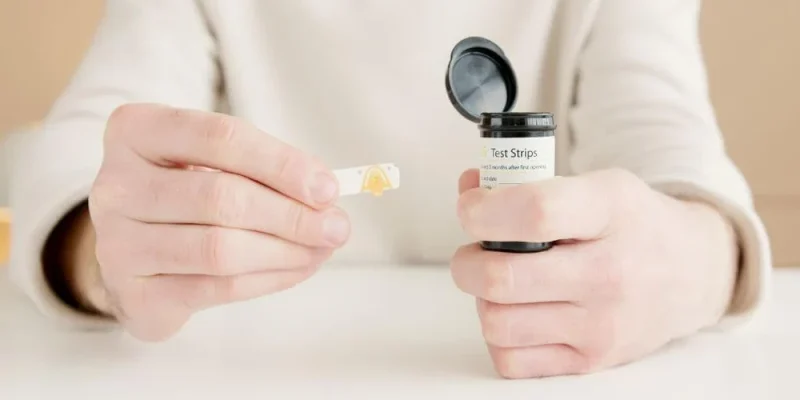
Keeping an eye on your blood sugar with diabetic test strips is very important, but it’s surprisingly easy to get more boxes than you need. A change in glucose meters, adjustments to testing routines, new insurance coverage, or simply receiving supplies faster than they are used can leave unopened boxes sitting in a cabinet. Since test strips have expiration dates, ignoring those extra supplies may eventually result in unnecessary waste.
Instead of allowing unused strips to expire, it makes sense to review what you have and consider your available options while the products are still usable.
Check the Expiration Dates First
The first thing to do is organize your supplies according to their expiration dates. Look at every box and identify which ones will expire soonest. This can help you prioritize the supplies you plan to use personally while separating boxes you are unlikely to need.
Expiration dates matter because manufacturers establish a period during which test strips are expected to perform according to their specifications when properly stored. Using strips after their expiration date may produce unreliable readings. For that reason, it is better to address surplus supplies well before they reach their expiration date.
Keep the Supplies You Actually Need
Before doing anything with extra test strips, estimate how many you are likely to use. Consider your normal testing frequency and how quickly you typically finish a box.
It is sensible to maintain an adequate supply for your own needs rather than getting rid of everything that appears to be extra. Your testing routine may change, and having appropriate supplies available can be important for managing blood glucose monitoring.
At the same time, keeping far more boxes than you could realistically use before expiration may not be practical.
Consider Selling Eligible Unopened Boxes
Depending on where the supplies came from and applicable rules, some people may be able to sell certain unopened diabetic test strips they legally own. Businesses such as More Cash For Test Strips provide an option for people looking to receive money for eligible surplus diabetic supplies instead of leaving them unused until they expire.
Eligibility can depend on factors such as the brand, expiration date, condition of the packaging, and whether the box remains factory sealed. Requirements can vary, so sellers should review the buyer’s current acceptance guidelines before sending anything.
It is also important to understand how the test strips were originally obtained. Supplies paid for by government-funded health programs may be subject to restrictions and should not be sold when doing so would violate applicable rules.
Protect the Packaging
If you believe you may sell extra test strips, keep the boxes in good condition. Avoid opening the packaging, removing labels, writing on the box, or storing supplies somewhere they could be exposed to excessive heat, humidity, or moisture.
Buyers of unused diabetic supplies commonly have specific condition requirements. A crushed, opened, damaged, or heavily marked box may not qualify even when the test strips inside have not expired.
Keeping surplus supplies organized in a clean, dry storage area can therefore make it easier to determine which boxes remain suitable for personal use or other permitted options.
Explore Donation Opportunities
Selling is not the only possibility. Some charitable organizations, community programs, clinics, or other eligible groups may accept certain unopened diabetes supplies.
Donation policies vary considerably, especially for medical products. Before taking supplies somewhere, contact the organization and ask whether it accepts diabetic test strips, which brands or expiration dates are permitted, and whether boxes must be factory sealed.
This can be a useful way to prevent suitable supplies from going unused while potentially helping someone who needs diabetes management products.
Avoid Waiting Until the Last Minute
The biggest mistake is forgetting about extra test strips until they are already expired or only have a very short usable period remaining. Once a box reaches its expiration date, your options become much more limited.
Make a habit of checking your diabetes supplies periodically. Arrange boxes by expiration date and identify excess quantities early. If your prescription or testing equipment changes, review your existing stock immediately rather than placing the old supplies in the back of a cabinet.
Make a Responsible Decision
Extra diabetic test strips do not necessarily have to become waste. If you have unopened boxes you are unlikely to use, check their dates, packaging condition, ownership, and applicable restrictions. You can then determine whether keeping, legally selling, or donating them is the most appropriate choice.
Taking action early gives you more options and helps prevent usable supplies from simply reaching their expiration date unnoticed.








Comments