
 By
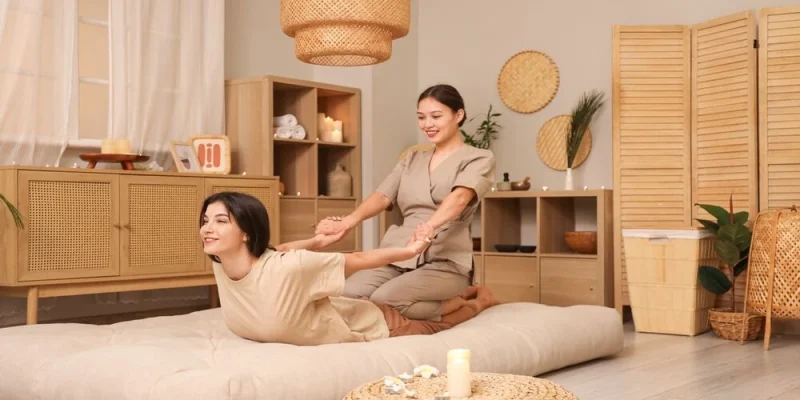
A session of thai massage in chiang mai starts with a change of clothes, not a bottle of oil. Guests stay dressed the whole time. The therapist works with palms, thumbs, elbows and sometimes feet, pressing and stretching the body on a firm mat. First timers often expect something gentle. It rarely is. The pressure is firm, and some of the stretches go further than most people go on their own.
The Clothes and the Mat
The spa hands over a loose cotton set, a wrap top and wide trousers with a tie at the waist. These let the hips open fully during leg stretches. Street clothes go into a locker. Shoes come off at the door in most spas, as in Thai homes and temples.
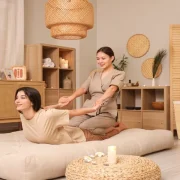
Most sessions happen on a thick padded mat on the floor. A few spas use a low, wide bed instead, which is easier for guests with stiff knees.
With no oil involved, there’s no shower afterwards. That makes it easy to fit a session between temple visits or before lunch. A heavy meal right before is a bad idea, though. Part of the session is spent face down.
Pressure and Stretching
Thai massage doesn’t use long gliding strokes. The therapist leans in, holds the pressure for a moment, then moves a thumb’s width along. It’s slow and rhythmic. Elbows are saved for thick muscles like the thighs and shoulders.
The stretches are the part guests remember. A therapist may kneel on the backs of the thighs, or lift both legs while bracing a foot against the guest’s lower back. These positions look a lot like yoga, except someone else does the moving.
For a thai massage in chiang mai session, pressure is agreed before the first touch. Light, medium or strong. It can change at any point. Breathing out slowly during a deep stretch helps the muscle let go, and “softer” or “stop” works in any spa.
Health Conditions That Change the Plan
A short form comes before every session. Certain answers change how the therapist works.
- Pregnancy. Some stretches and pressure points are left out completely.
- Surgery in the past few months, or a fracture still healing.
- Skin infections or open wounds in the areas to be treated.
Diabetes with poor feeling in the feet also calls for lighter work. Guests with any of these conditions talk to a doctor first. The therapist needs to know too, ideally before the session starts.
Afterwards
Standing up too fast after two hours on a mat can bring on a brief dizzy spell. Most spas give guests a minute to sit, along with a cup of tea or water. Some spas also offer a herbal compress as an add on, pressed onto the sorest areas at the end.
Soreness the next day is common after strong pressure, and more so after a first session. It fades in a day or two. Regular guests notice it less each time.
The loose, slightly heavy feeling straight after the massage is normal as well. Many people plan a quiet evening rather than a big night out.





Comments