
 By
By 
It’s not always better to believe what other people say about tooth health. Over the years, countless myths about oral care have circulated—some passed down through generations, others spread online without scientific backing. Unfortunately, believing these myths can prevent people from getting the care they need or even lead to damaging habits. Let’s clear the air by debunking some of the most common dental myths you should stop believing today.
Myth 1: If Your Teeth Don’t Hurt, They’re Healthy
Many people assume that no pain means no problem. However, dental issues such as cavities, gum disease, or enamel erosion can develop silently. Pain often occurs only once the issue has progressed to a serious stage.
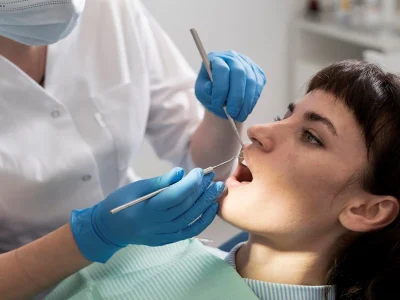
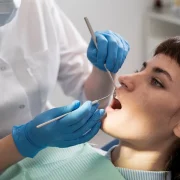
The truth: Regular checkups are essential—even if you feel fine. Dentists can identify problems early, saving you from more invasive treatments later. In fact, many people who visit dentists servicing Newstead are surprised to discover hidden concerns that only a professional exam could reveal.
Myth 2: Brushing Harder Cleans Better
It’s a common misconception that brushing with force leads to cleaner teeth. In fact, brushing too hard can hurt your gums and wear down your enamel.
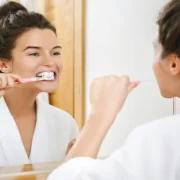
The truth: A soft-bristled toothbrush and gentle, circular motions are most effective. Brushing harder doesn’t mean brushing better—it may actually cause damage that leads to sensitivity and gum recession.
Myth 3: Sugar Is the Only Cause of Cavities
Sugar is a big reason why people lose their teeth, but it’s not the only one. Bacteria that make acid eat on any carbohydrate, so cavities are caused by bread, pasta, fruits, and even vegetables.
The truth: It’s not just what you eat, but how often you eat it. Frequent snacking gives bacteria more fuel to produce acid, increasing your risk for decay. That’s why dentists recommend limiting snacks and rinsing with water after meals, even if you don’t consume sweets.
Myth 4: Whitening Damages Your Teeth
Teeth whitening products often get a bad reputation, with many people fearing they’ll harm their enamel or cause lasting sensitivity.
The truth: Professional whitening treatments, especially those done by qualified dental practitioners, are safe when used as directed. Over-the-counter options can also be safe if used properly, though results may vary. If you’re unsure, consult with a trusted dental provider before starting any whitening regimen.
Myth 5: Flossing Isn’t Necessary If You Brush Well
Flossing is often skipped because people think brushing alone is enough. But brushing only cleans the surfaces of your teeth—not the tight spaces in between.
The truth: Plaque and food stuck between teeth and below the gum line can’t be reached by toothbrushes. Flossing gets rid of these things. Skipping this step leaves you vulnerable to cavities and gum disease in those hidden areas.
Myth 6: Baby Teeth Don’t Need Much Care
Some parents think baby teeth don’t matter because they’ll fall out eventually. However, neglecting them can lead to pain, infections, and problems with permanent teeth.
The truth: Healthy baby teeth are vital for proper speech development, chewing, and guiding adult teeth into place. Getting into the habit of good oral care early on is the best way to keep your teeth healthy for life.
Myth 7: All Dentists Provide the Same Care
It’s easy to assume that all dental care is equal, but the truth is that experience, technology, and approach can vary widely between clinics.
The truth: It’s important to pick the right medical team. When people in Newstead go to the dentist, they get modern techniques, personalised treatment plans, and caring service that is meant to make every visit easy and effective. Pick a provider that understands your wants and puts your long-term oral health first.
Final Thoughts
Believing in dental myths can lead to bad habits, unnecessary anxiety, or overlooked problems. The best way to protect your smile is by staying informed and trusting qualified dental professionals. If you know how to brush, what to eat, and when to go to the doctor, you can take care of your teeth. You should always ask your doctor what to do if you don’t know. They can help you the most and give you care that is just right for you.






Comments