
 By
By 
Children’s fever can be a source of concern for parents, often leading to misconceptions and misunderstandings about its causes, symptoms, and treatment. In this article, we aim to debunk some common myths surrounding children’s fever, providing accurate information and guidance for parents in Singapore.
Myth 1: All Fevers Are Dangerous
One of the most prevalent misconceptions about children’s fever is that all fevers are dangerous and require immediate medical attention. However, not all fevers indicate a serious illness. In fact, fever is often the body’s natural response to infection and helps the immune system fight off pathogens. Most fevers in children are mild and resolve on their own without the need for medical intervention.
Myth 2: High Fever Always Indicates a Serious Illness
Another misconception is that a high fever always indicates a serious underlying illness. While high fevers can be alarming, especially in young children, they are not always indicative of a severe medical condition. Fevers can result from various factors, including viral or bacterial infections, teething, and environmental factors. It is essential for parents to assess other symptoms and seek medical advice if necessary.
Myth 3: Febrile Seizures Are Common and Harmful
Febrile seizures are a common concern among parents of children with fever. However, febrile seizures are relatively rare and typically harmless. They occur in approximately 2-5% of children aged 6 months to 5 years and are often associated with rapid temperature spikes. While febrile seizures can be frightening to witness, they usually resolve on their own within a few minutes and do not cause long-term harm.
Myth 4: Fevers Should Always Be Treated with Medication
Many parents believe that all fevers should be treated with fever-reducing medications such as paracetamol or ibuprofen. While these medications can help alleviate discomfort and reduce fever, they are not always necessary, especially if the fever is mild and the child is otherwise healthy. It is essential to follow the recommended dosage instructions and consult a healthcare professional if unsure.
Myth 5: Lukewarm Baths Can Cause Chills
Some parents avoid giving their children lukewarm baths during fever episodes, fearing that it may cause chills and exacerbate the fever. However, lukewarm baths are a safe and effective way to help lower body temperature during a fever. They can help provide relief from discomfort and promote relaxation without causing harm or worsening the fever.
Myth 6: Herbal Remedies Can Cure Fevers
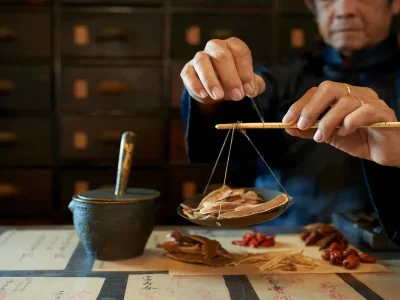
There is a common belief that herbal remedies and alternative therapies can cure fevers and boost the immune system. While some herbal remedies may have mild antipyretic properties, they are not a proven substitute for medical treatment. It is essential to exercise caution when using herbal remedies, as they may interact with other medications or cause adverse effects, especially in children.
Conclusion
Children’s fever can be a cause of anxiety for parents, often leading to misconceptions and misinformation about its management. By debunking common myths surrounding children’s fever and providing accurate information, parents can feel more confident in managing their child’s fever episodes. It is essential to seek medical advice if unsure about the severity of the fever or if the child exhibits concerning symptoms. With proper understanding and guidance, parents can navigate children’s fever more effectively and ensure their child’s well-being.










Comments