
 By
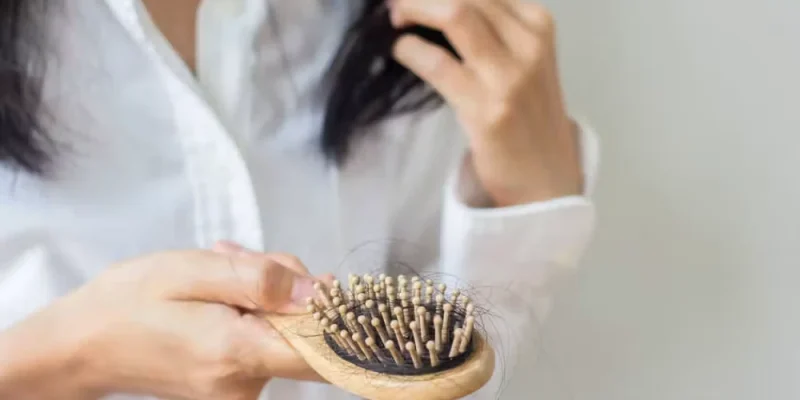
Women depend on hair growth tablets on a regular basis to treat thinning of hair, excessive hair loss, and for healthier and stronger hair.
These supplements typically include vitamins, minerals, amino acids and other ingredients which help in hair growth.
Safety over the long term will depend on the ingredients found in the medicine, the dosage that is being taken, individual health status, and whether or not the body is actually in need of the supplement.
By knowing about the potential side effects, suggested dosages, and safety measures, women can make informed choices about using hair growth tablets for the long term.
Hair Growth Pills Can Be Used on a Long-Term Basis
Hair growth is a slow process; this is why some women take hair growth tablets for several months.
While supplements can help fill in nutritional gaps, there is no guarantee that they will give more benefits the longer they are used.
For instance, if you are iron deficient, you may need iron, but if you are not, you may not need to take iron.
The doctor can help to determine if there are any deficiencies and may be able to prescribe the correct one, how much to take, and for how long.
The Safety of Large Intakes of Biotin
Vitamin B7, or biotin, is a nutrient that helps to maintain normal keratin production, and is therefore commonly added to hair growth tablets. Assists in the utilization of food for energy and contributes to healthy hair, skin and nails.
- Possible safety concerns: May interfere with some laboratory tests in high doses.
- Long-term safety: If you take high doses of biotin without medical advice women should avoid it.
The Use of Iron Tablets Over a Prolonged Period of Time
Iron is a crucial mineral needed for the formation of haemoglobin and the transport of oxygen across the body.
- Iron tablets can provide iron: Excess and unnecessary iron can create some problems like constipation, nausea, pain in abdomen, dark colored stools and discomfort in the stomach.
- Doctors recommend: Iron supplements are advised in general to be taken only when blood analysis shows its deficiency. Haemoglobin and ferritin levels may be monitored by doctors and supplements may be continued until these levels are back to normal.
Excess Intake of Vitamin a and Selenium Can Be Harmful
Some supplements for hair growth contain vitamins A and selenium, which help maintain normal body functions. But consuming excessive amounts of either can have a negative effect and can lead to hair loss.
- Vitamin A: A vitamin that is important for vision, immunity and cell growth. But too much vitamin A as a supplement can lead to toxicity. Headaches, nausea, dry skin and hair loss are possible symptoms. High doses of vitamin A may cause harm to the fetus, so women should be extra careful while taking vitamin A supplements during pregnancy.
- Selenium: Selenium helps the Thyroid gland and helps to protect cells from oxidative damage. Long-term overconsumption of selenium, however, can lead to hair loss, brittle nails, stomach complaints and more.
- What doctors recommend: Don’t take more than one vitamin A or selenium supplement at a time. Always read the labels of ingredients and talk to your health care provider before using products that have high doses of ingredients.
Vitamin D & Zinc in Hair Tablets
Zinc and Vitamin D are essential for functions of the body, but excess of it can cause health issues.This can lead to nausea, weakness, heavy thirst, frequent urination and kidney disease.
High consumption of zinc over the long-term can impair immune function and cause copper deficiency.
- Doctors’ advice: Do not use more than one supplement that contains the same active ingredient since the effect of two or more products may be harmful.
Do Hair Growth Tablets Work Like a Medicine?
Yes, for instance, iron and zinc supplements may interact with certain other medications and antibiotics. Vitamin E at high doses can cause bleeding problems, especially in those who are taking blood-thinning medications.
If you have an underlying medical condition, such as thyroid, diabetes, hypertension or other health issues, and you are taking thyroid or other medication regularly, check with your doctor or pharmacist before taking supplements.
Safety tip: Ask your health care provider about the full list of ingredients in your hair growth tablets. Take their recommendations for dosage and how to take supplements with other medication.
Side Effects of Using Herbal Hair Growth Tablets
In addition to vitamins and minerals, some hair growth supplements have herbal ingredients, plant extracts and amino acids.
Herbal extracts can have side effects when they interact with medications. Safety may also vary based on the amount, quality and mix of ingredients.
There is not a lot of scientific evidence regarding the long-term safety of many herbal hair supplements.
- What the doctors suggest: Don’t believe the safety of supplements because they are natural or herbal.
Best Way to Take Hair Growth Tablets
- Take the recommended dose: Don’t take more than the recommended dose in order to grow your hair faster
- Use high quality products: Purchasing supplements from companies with good reputations and reading the information about ingredients
- Tell your doctor: If you are taking prescription medications or have a health condition, tell your doctor about it
- Keep an eye on side effects: Discontinue any supplement and consult a doctor if you have some unusual symptoms
Conclusion
For women, hair growth tablets may be helpful in improving any nutritional deficiencies but its use for long-term depends on safety based on ingredients, dosages and individual requirements.
Too much of iron, vitamin A, selenium, zinc or any other nutrient can lead to side effects and at times increase hair loss.
Women should not use supplements on a daily basis without assessing and evaluating their benefits and potential risks.
A healthy diet, proper blood analysis and timely advice from doctors can ensure healthy hair and minimise the risk of unnecessary supplementation.






Comments